Frequently Asked Questions

Our Herbs

Alfalfa Leaf (Medicago sativa)
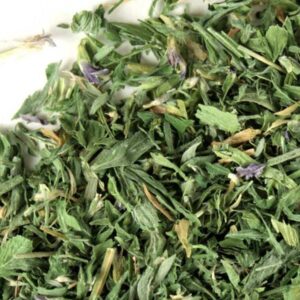
Alfalfa leaf is known for its nutritious qualities. This flowering perennial is a member of the pea family and is cultivated worldwide. The dried alfalfa leaf is widely available in herbal shops and health food stores as an herbal tea, tablet, or powder. The seed is often sprouted and eaten in salads and sandwiches. 

Alfalfa has leguminous flowers which vary in color from purple to yellow, trifoliate clover-like leaves, and a deep tap root. Some sources say that taproots have been found reaching down 68 feet into the soil. 

Alfalfa is native to southwest Asia with wild species occurring in the Caucasus, and in mountainous regions of Afghanistan and Iran, and is very widely cultivated throughout the world. This herb is in our Latch Latte blend. 
 

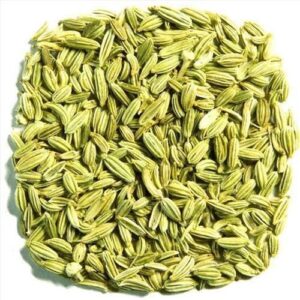
Native to the Mediterranean region, fennel has been cultivated worldwide for its flavorful seeds, bulb, leaves, and stems. The plant grows to about 3-5 feet tall with feathery leaves and bright yellow flowers that eventually produce the small, greenish-brown seeds.

What makes fennel seeds particularly special nutritionally is their exceptional mineral content, especially calcium, iron, and manganese, combined with their rich essential oil profile that contributes to many of their therapeutic properties. The high fiber content (nearly 40%) is also remarkable, making them valuable for digestive health.
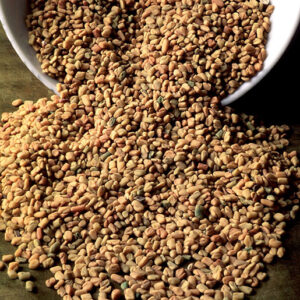
Fenugreek is a clover-like herb native to the Mediterranean region, southern Europe, and western Asia. Its seeds, which smell and taste like maple syrup, have been used as a spice and a traditional medicine. Because of its maple-like flavor, fenugreek has been used as a flavoring agent in foods, beverages, and tobacco. 

Fenugreek has been used as a medicinal plant for about 6,000 years. In various cultures, it has been used as a tonic or a laxative; as a remedy for menstrual cramps, menopause symptoms, kidney stones, and other conditions; and to stimulate milk production during breastfeeding. 

Today, fenugreek seed is promoted as a dietary supplement for diabetes, menstrual cramps, and many other conditions and to stimulate milk production during breastfeeding. 
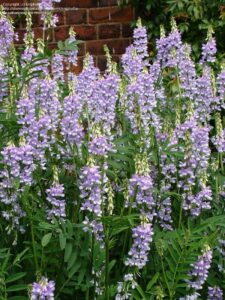
Goat’s rue is a perennial herb found in temperate grassland regions of Asia and Europe. It also grows wild in damp fields in Britain. The plant, which prefers damp, low-lying areas and sandy soil, grows to about 1 m in height. It has compound leaves with lance-shaped ends and fruit consisting of a round, indented pod containing many seeds. The flowers are white, lilac, light blue, or pinkish in color and grow on terminal spikes. The dried aerial parts of the plant are harvested during the summer flowering season and used medicinally.  
 

Goat’s rue and its derivatives have been used in the management of diabetes mellitus to reduce blood sugar levels. Goat’s rue has also been used for its lactogenic effects to increase milk production. It has tonic, liver protectant, and platelet aggregation inhibitory effects, and has been evaluated for its diuretic and weight loss effects.  

Silymarin (Milk Thistle) in combination with Galega enhances milk production in breast-feeding mothers.
 

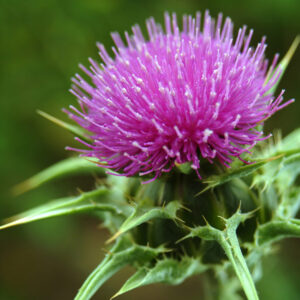
Milk thistle is a tall plant with large purple flowers that is native to Europe. It was introduced into North America by early colonists. 

The main constituent of milk thistle extract is silymarin, a mixture of compounds. 

Historically, milk thistle was used for liver disorders and to increase breast milk production. 

Milk thistle is promoted as a dietary supplement for liver disorders, diabetes, and other conditions. 
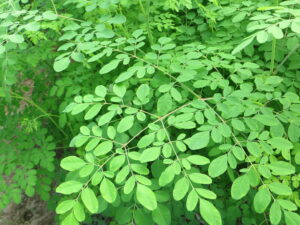
Moringa is a plant native to India and other countries. It contains proteins, vitamins, and minerals. Moringa is used for asthma, diabetes, breast-feeding, and many other purposes. 

Moringa is an important food source in some parts of the world. It can be grown cheaply and easily, and retains much of its nutritional value when dried. As an antioxidant, it seems to help protect cells from damage. Moringa might also help decrease inflammation and reduce pain. 

Moringa is known as a “super food”, as it contains vitamins A, B1, B2, B3, B6, B7, C, E, K plus calcium, iron, magnesium, potassium, phosphorus, zinc, and selenium. Additionally, moringa is a source of protein and fiber. 
FAQs

Lactation Induction Protocol

This guideline can be useful for adoptive, C-section, mothers via surrogate, or non-pregnant women who wish to lactate. Inducing lactation requires stimulating and properly emptying the breasts. Stimulation can occur in 3 ways: with a breast pump, nursing, or manual expression.  

Please note that the lactation induction process will require significant time commitment and ideally partner or friend support. Breast milk production is supply- and demand-driven.  The more times you pump and drain the breasts, the more your body will produce.   

Sticking to a pumping schedule is very important. You WILL need to be diligent in pumping around the clock until regular lactation is achieved.  Once lactation is established, a routine nursing schedule, combined with taking herbal lactation supplements, should suffice.  

For adoptive or mothers via surrogate desiring to breastfeed their baby after birth, begin pumping at least 2 months before the baby arrives.

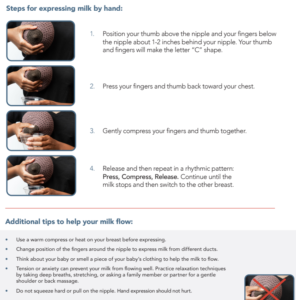
  1. Begin with hand expression a couple weeks before pumping to ease into the routine. It’s gentler on the breasts and great to begin with.  
  2. Use a hospital-grade double electric breast pump, which will allow pumping both breasts simultaneously. 
  3. Please begin gradually as the pumping process can be tough on the nipples. 
  4. Begin by pumping for 5 minutes, 3x per day and work up to pumping 15-30 minutes every 2-3 hours. Use lubrication as needed to help with discomfort from the pump.  
  5. Taking a good quality herbal lactation supplement during the induction period, and for as long as lactation is desired after lactation is achieved, is highly recommended.  

It is essential to pump at least 8 times per day on a regular basis.  Pump as often as possible, even if you’re not getting much (or any) out. The more you pump, the more milk you’ll produce. Aim to pump twice through the night.

Any breast milk produced can be stored in the freezer.

Patience and consistency are key.  It takes time to initiate lactation, and the milk supply will build very gradually with regular pumping and nursing.
A hospital-grade, closed system, double electric breast pump would be the most ideal to use. Pumping both breasts simultaneously can save time. Instead of spending 20-30 minutes on each breast, you can cut your pumping session in half. Additionally, pumping both breasts at the same time can help increase your milk supply. The stimulation of both breasts can lead to a more significant let-down reflex, resulting in more milk being expressed. 

  • Stay relaxed: Stress can hinder milk flow, so try to stay as relaxed as possible during your pumping session. 
  • Use a hands-free pumping bra: This allows you to multitask while pumping, making the process even more efficient. 
  • Stay hydrated: Drinking plenty of water is essential for maintaining a healthy milk supply. 
  • Massage your breasts: Gentle massage can help stimulate milk flow and ensure that your breasts are fully emptied. 
  1. What does this lactation herbal blend do?
Our proprietary blends are designed to gently support your body’s natural lactation response. The herbs we use have a long history of helping with milk production, breast fullness, hormone balance, and overall nourishment during lactation.
  1. How do your capsules support milk production?
We combine herbs known as galactagogues—botanicals traditionally used to encourage and maintain milk supply. They nourish your hormonal system, support prolactin response, and help your body stay in an optimal state for milk production.
  1. Are your products safe for all feeding journeys (surrogacy, adoption, induced lactation, relactation, c-section, etc.)?
Yes. Our formulas were intentionally created for every type of lactation journey—including induced lactation, re-lactation, adoptive nursing, surrogacy, and postpartum (both vaginal and c-section). Every path is welcome here.
  1. How soon can I expect to see results?
Everyone responds differently; however, research has shown in those who are post-partum, experience an increase in milk production within 24 to 72 hours. Some notice changes in a few days, while others may see gradual increases over 2–4 weeks. Induced lactation and re-lactation journeys may require more time, consistency, and stimulation.
  1. Do your supplements work without pumping or stimulation?
Herbs can support lactation, but stimulation signals are still key—either pumping or manual/nipple stimulation, especially with Induced lactation and re-lactation. If you’re choosing a low-output or comfort-level lactation goal, lighter stimulation may still be enough. Please see our induction protocol for more information on pumping in the non-post-partum state.
  1. Can these herbs help increase milk supply if I already lactate?
Absolutely. Our blends are commonly used to support a low or fluctuating supply, or to help maintain a stable output for pumpers and nursing parents.
  1. Are your supplements organic, vegan, or allergen-free?
Our products are free from fillers and made with clean, high-quality herbs. Full ingredient lists and allergen details are available on each product page.
  1. What makes your blends different from other lactation supplements?
Our formulas are crafted specifically for non-traditional and multi-path lactation journeys, and include herbs chosen for hormone support, emotional balance, and long-term sustainability—not just short-term supply boosts.
  1. How long should I take the capsules?
You can take them as long as you’re lactating, inducing lactation, or maintaining a comfort-level supply. Many customers stay on a consistent dose for months.
  1. Can I take them while pregnant?
Our herbal blends are not to be taken during pregnancy. Also, for those with nut allergies, please avoid using our “Let It Flow” blend, and use the “Latch Latte” blend instead. We recommend consulting your healthcare provider before use if you’re currently pregnant.
  1. Can your supplements help with induced lactation?

Yes. Our formulas support hormone balance and prolactin response, both of which are important when initiating lactation without prior pregnancy.

  1. Can these herbs support milk production for parents going through adoption or surrogacy?

They can. Many adoptive and surrogate-intended parents use herbal blends as part of a complete induction plan.

  1. I’ve never been pregnant—can these products still help me lactate?

Yes. Pregnancy is not required to begin lactation. Herbs can support the body’s endocrine system and milk-making tissues as you stimulate.

  1. Do I need a pumping schedule or stimulation routine for the herbs to work?

Consistent stimulation is recommended, especially for induction or re-lactation. Herbs support the process, but stimulation activates milk pathways.  Please see our induction protocol for more information on pumping in the non-post-partum state.

  1. Can your supplements be used alongside a doctor-guided protocol for induced lactation?

Yes, many people use herbal blends alongside physician-guided hormonal protocols or prescription galactagogues. Always check with your provider.

  1. Is it normal to have a gradual response when inducing lactation?

Yes. Induced lactation is a marathon, not a sprint. Slow, steady progress is completely normal.

  1. Can the capsules help maintain supply for comfort nursing or non-traditional lactation relationships?

Yes. Whether your goal is full supply or gentle comfort lactation, our herbs can support your desired level of production.

  1. Are your herbs safe for parents recovering from a c-section?

Yes, our blends are gentle and commonly used by c-section parents. They do not interfere with incision healing.

  1. Can these supplements help increase milk supply after a delayed milk onset?

Yes, support for a slow or delayed milk let-down, which is common after c-section, can be augmented with our herbal blends. Consistency is key.

  1. Do they interact with postpartum pain medications?

Most herbs are compatible, but because medication plans vary, we always recommend checking with your provider.

  1. Is it safe to take these supplements while healing?

Yes. All herbs in our blends are traditionally safe for postpartum use.

  1. What is the recommended dosage and timing?

Milk Herbs recommends two capsules a day. Most blends work best when taken daily and consistently.

  1. Can I combine your supplements with prescription galactagogues like domperidone or metoclopramide?

Many people do. Always confirm with your healthcare provider if you’re using prescription medications.

  1. Are there any side effects?

Side effects are uncommon but may include mild digestive changes or breast fullness. If irritation occurs, discontinue use. The herb Fenugreek may cause a maple syrup scent.

  1. Who should not take these herbs?

People with certain medical conditions, those pregnant, or those on specific medications should check with their provider before use. If allergic to nuts, please avoid the supplement Fenugreek.

  1. Can I take multiple blends at once?

Yes, some blends are designed to complement each other. Refer to each product’s details or message us for guidance.

  1. Can your supplements be taken long-term?

Yes. Our herbs are safe for long-term lactation support and are designated as GRAS (Generally Regarded as Safe) by the FDA.

  1. Are these compatible with hormonal birth control?

Most herbs are compatible, but supply fluctuations can occur with certain contraceptives.

  1. Do I need to cycle herbs?

Cycling is optional. Some people enjoy a 5–7-day break each month, while others prefer consistent daily use. Let your need for lactation support guide your supplementation.

  1. Do your supplements work if I exclusively pump?

Yes. Exclusive pumpers widely use our blends and can support both output and let-down response.

  1. Will the herbs help if I struggle to respond to the pump?

They may. Improved let-down and hormone balance can help some respond better to pumping.

  1. How often should I pump or stimulate for best results?

Comfort-level lactation requires less stimulation than the initial buildup phase of lactation. Please see our induction protocol for more information on pumping.

  1. What if I want only a small amount of milk or comfort lactation?

You can adjust your stimulation routine to match your goals. Herbs support your chosen level of output.

  1. Do you guarantee milk supply increases?

Everyone is different, and results vary. While many customers see improvement, no supplement can guarantee a specific supply increase.

  1. How quickly do orders ship?

Orders typically ship within 1 business day. Domestic shipping is free.

  1. Do you ship internationally?

Yes. Shipping options are shown at checkout. There is a shipping fee for international shipments.

  1. What is your refund or satisfaction policy?

We offer a customer-first satisfaction policy. Please contact us if you have concerns about your order.

  1. Can I subscribe for regular deliveries?

Yes! You can set up automatic deliveries at the frequency that works for you.

  1. Can I return products if they don’t work for me?

Unopened products can be returned within our standard return window. Contact support for assistance.

  1. Are your products safe for all family structures?

Absolutely. Every family and every lactation journey are welcome here.

  1. Do you test on animals?

Absolutely not. Our products are cruelty-free.

  1. Are your ingredients responsibly sourced?

Yes. We use trusted domestic suppliers who align with our quality and ethical standards. Our herbal blends are third party tested for heavy metals and contaminants.

  1. Do you offer support or guidance for induced lactation journeys?

Yes. We provide resources and support for all forms of lactation—traditional and non-traditional. Please reach out to us for any assistance you may need.

  1. How can I contact Milk Herbs?

Please email us at info@milkherbs.com. We will be in touch soon!

Lactation and Product Questions

Lactation Induction Protocol
This guideline can be useful for adoptive, C-section, mothers via surrogate, or non-pregnant women who wish to lactate. Inducing lactation requires stimulating and properly emptying the breasts. Stimulation can occur in 3 ways: with a breast pump, nursing, or manual expression. Please note that the lactation induction process will require significant time commitment and ideally partner or friend support. Breast milk production is supply- and demand-driven.  The more times you pump and drain the breasts, the more your body will produce. Sticking to a pumping schedule is very important. You WILL need to be diligent in pumping around the clock until regular lactation is achieved.  Once lactation is established, a routine nursing schedule, combined with taking herbal lactation supplements, should suffice. For adoptive or mothers via surrogate desiring to breastfeed their baby after birth, begin pumping at least 2 months before the baby arrives.

  1. Begin with hand expression a couple weeks before pumping to ease into the routine. It’s gentler on the breasts and great to begin with.
  2. Use a hospital-grade double electric breast pump, which will allow pumping both breasts simultaneously.
  3. Please begin gradually as the pumping process can be tough on the nipples.
  4. Begin by pumping for 5 minutes, 3x per day and work up to pumping 15-30 minutes every 2-3 hours. Use lubrication as needed to help with discomfort from the pump.
  5. Taking a good quality herbal lactation supplement during the induction period, and for as long as lactation is desired after lactation is achieved, is highly recommended.

It is essential to pump at least 8 times per day on a regular basis.  Pump as often as possible, even if you’re not getting much (or any) out. The more you pump, the more milk you’ll produce. Aim to pump twice through the night. Any breast milk produced can be stored in the freezer. Patience and consistency are key.  It takes time to initiate lactation, and the milk supply will build very gradually with regular pumping and nursing.

A hospital-grade, closed system, double electric breast pump would be the most ideal to use. Pumping both breasts simultaneously can save time. Instead of spending 20-30 minutes on each breast, you can cut your pumping session in half. Additionally, pumping both breasts at the same time can help increase your milk supply. The stimulation of both breasts can lead to a more significant let-down reflex, resulting in more milk being expressed. 

  • Stay relaxed: Stress can hinder milk flow, so try to stay as relaxed as possible during your pumping session. 
  • Use a hands-free pumping bra: This allows you to multitask while pumping, making the process even more efficient. 
  • Stay hydrated: Drinking plenty of water is essential for maintaining a healthy milk supply. 
  • Massage your breasts: Gentle massage can help stimulate milk flow and ensure that your breasts are fully emptied. 
  1. Do your supplements work if I exclusively pump?

Yes. Exclusive pumpers widely use our blends and can support both output and let-down response.

  1. Will the herbs help if I struggle to respond to the pump?

They may. Improved let-down and hormone balance can help some respond better to pumping.

  1. How often should I pump or stimulate for best results?

Comfort-level lactation requires less stimulation than the initial buildup phase of lactation. Please see our induction protocol for more information on pumping.

  1. What if I want only a small amount of milk or comfort lactation?

You can adjust your stimulation routine to match your goals. Herbs support your chosen level of output.

  1. Do you guarantee milk supply increases?

Everyone is different, and results vary. While many customers see improvement, no supplement can guarantee a specific supply increase.

  1. What does this lactation herbal blend do?
Our proprietary blends are designed to gently support your body’s natural lactation response. The herbs we use have a long history of helping with milk production, breast fullness, hormone balance, and overall nourishment during lactation.
  1. How do your capsules support milk production?
We combine herbs known as galactagogues—botanicals traditionally used to encourage and maintain milk supply. They nourish your hormonal system, support prolactin response, and help your body stay in an optimal state for milk production.
  1. Are your products safe for all feeding journeys (surrogacy, adoption, induced lactation, relactation, c-section, etc.)?
Yes. Our formulas were intentionally created for every type of lactation journey—including induced lactation, re-lactation, adoptive nursing, surrogacy, and postpartum (both vaginal and c-section). Every path is welcome here.
  1. How soon can I expect to see results?
Everyone responds differently; however, research has shown in those who are post-partum, experience an increase in milk production within 24 to 72 hours. Some notice changes in a few days, while others may see gradual increases over 2–4 weeks. Induced lactation and re-lactation journeys may require more time, consistency, and stimulation.
  1. Do your supplements work without pumping or stimulation?
Herbs can support lactation, but stimulation signals are still key—either pumping or manual/nipple stimulation, especially with Induced lactation and re-lactation. If you’re choosing a low-output or comfort-level lactation goal, lighter stimulation may still be enough. Please see our induction protocol for more information on pumping in the non-post-partum state.
  1. Can these herbs help increase milk supply if I already lactate?
Absolutely. Our blends are commonly used to support a low or fluctuating supply, or to help maintain a stable output for pumpers and nursing parents.
  1. Are your supplements organic, vegan, or allergen-free?
Our products are free from fillers and made with clean, high-quality herbs. Full ingredient lists and allergen details are available on each product page.
  1. What makes your blends different from other lactation supplements?
Our formulas are crafted specifically for non-traditional and multi-path lactation journeys, and include herbs chosen for hormone support, emotional balance, and long-term sustainability—not just short-term supply boosts.
  1. How long should I take the capsules?
You can take them as long as you’re lactating, inducing lactation, or maintaining a comfort-level supply. Many customers stay on a consistent dose for months.
  1. Can I take them while pregnant?
Our herbal blends are not to be taken during pregnancy. Also, for those with nut allergies, please avoid using our “Let It Flow” blend, and use the “Latch Latte” blend instead. We recommend consulting your healthcare provider before use if you’re currently pregnant.
  1. Can your supplements help with induced lactation?

Yes. Our formulas support hormone balance and prolactin response, both of which are important when initiating lactation without prior pregnancy.

  1. Can these herbs support milk production for parents going through adoption or surrogacy?

They can. Many adoptive and surrogate-intended parents use herbal blends as part of a complete induction plan.

  1. I’ve never been pregnant—can these products still help me lactate?

Yes. Pregnancy is not required to begin lactation. Herbs can support the body’s endocrine system and milk-making tissues as you stimulate.

  1. Do I need a pumping schedule or stimulation routine for the herbs to work?

Consistent stimulation is recommended, especially for induction or re-lactation. Herbs support the process, but stimulation activates milk pathways.  Please see our induction protocol for more information on pumping in the non-post-partum state.

  1. Can your supplements be used alongside a doctor-guided protocol for induced lactation?

Yes, many people use herbal blends alongside physician-guided hormonal protocols or prescription galactagogues. Always check with your provider.

  1. Is it normal to have a gradual response when inducing lactation?

Yes. Induced lactation is a marathon, not a sprint. Slow, steady progress is completely normal.

  1. Can the capsules help maintain supply for comfort nursing or non-traditional lactation relationships?

Yes. Whether your goal is full supply or gentle comfort lactation, our herbs can support your desired level of production.

  1. Are your herbs safe for parents recovering from a c-section?

Yes, our blends are gentle and commonly used by c-section parents. They do not interfere with incision healing.

  1. Can these supplements help increase milk supply after a delayed milk onset?

Yes, support for a slow or delayed milk let-down, which is common after c-section, can be augmented with our herbal blends. Consistency is key.

  1. Do they interact with postpartum pain medications?

Most herbs are compatible, but because medication plans vary, we always recommend checking with your provider.

  1. Is it safe to take these supplements while healing?

Yes. All herbs in our blends are traditionally safe for postpartum use.

  1. What is the recommended dosage and timing?

Milk Herbs recommends two capsules a day. Most blends work best when taken daily and consistently.

  1. Can I combine your supplements with prescription galactagogues like domperidone or metoclopramide?

Many people do. Always confirm with your healthcare provider if you’re using prescription medications.

  1. Are there any side effects?

Side effects are uncommon but may include mild digestive changes or breast fullness. If irritation occurs, discontinue use. The herb Fenugreek may cause a maple syrup scent.

  1. Who should not take these herbs?

People with certain medical conditions, those pregnant, or those on specific medications should check with their provider before use. If allergic to nuts, please avoid the supplement Fenugreek.

  1. Can I take multiple blends at once?

Yes, some blends are designed to complement each other. Refer to each product’s details or message us for guidance.

  1. Can your supplements be taken long-term?

Yes. Our herbs are safe for long-term lactation support and are designated as GRAS (Generally Regarded as Safe) by the FDA.

  1. Are these compatible with hormonal birth control?

Most herbs are compatible, but supply fluctuations can occur with certain contraceptives.

  1. Do I need to cycle herbs?

Cycling is optional. Some people enjoy a 5–7-day break each month, while others prefer consistent daily use. Let your need for lactation support guide your supplementation.

Herbal Ingredient Guide

Alfalfa Leaf (Medicago sativa)
Alfalfa leaf is known for its nutritious qualities. This flowering perennial is a member of the pea family and is cultivated worldwide. The dried alfalfa leaf is widely available in herbal shops and health food stores as an herbal tea, tablet, or powder. The seed is often sprouted and eaten in salads and sandwiches. 

Alfalfa has leguminous flowers which vary in color from purple to yellow, trifoliate clover-like leaves, and a deep tap root. Some sources say that taproots have been found reaching down 68 feet into the soil. 

Alfalfa is native to southwest Asia with wild species occurring in the Caucasus, and in mountainous regions of Afghanistan and Iran, and is very widely cultivated throughout the world. This herb is in our Latch Latte blend. 


Native to the Mediterranean region, fennel has been cultivated worldwide for its flavorful seeds, bulb, leaves, and stems. The plant grows to about 3-5 feet tall with feathery leaves and bright yellow flowers that eventually produce the small, greenish-brown seeds.

What makes fennel seeds particularly special nutritionally is their exceptional mineral content, especially calcium, iron, and manganese, combined with their rich essential oil profile that contributes to many of their therapeutic properties. The high fiber content (nearly 40%) is also remarkable, making them valuable for digestive health.

Fenugreek is a clover-like herb native to the Mediterranean region, southern Europe, and western Asia. Its seeds, which smell and taste like maple syrup, have been used as a spice and a traditional medicine. Because of its maple-like flavor, fenugreek has been used as a flavoring agent in foods, beverages, and tobacco. 

Fenugreek has been used as a medicinal plant for about 6,000 years. In various cultures, it has been used as a tonic or a laxative; as a remedy for menstrual cramps, menopause symptoms, kidney stones, and other conditions; and to stimulate milk production during breastfeeding. 

Today, fenugreek seed is promoted as a dietary supplement for diabetes, menstrual cramps, and many other conditions and to stimulate milk production during breastfeeding. 

Goat’s rue is a perennial herb found in temperate grassland regions of Asia and Europe. It also grows wild in damp fields in Britain. The plant, which prefers damp, low-lying areas and sandy soil, grows to about 1 m in height. It has compound leaves with lance-shaped ends and fruit consisting of a round, indented pod containing many seeds. The flowers are white, lilac, light blue, or pinkish in color and grow on terminal spikes. The dried aerial parts of the plant are harvested during the summer flowering season and used medicinally.  
 

Goat’s rue and its derivatives have been used in the management of diabetes mellitus to reduce blood sugar levels. Goat’s rue has also been used for its lactogenic effects to increase milk production. It has tonic, liver protectant, and platelet aggregation inhibitory effects, and has been evaluated for its diuretic and weight loss effects.  

Silymarin (Milk Thistle) in combination with Galega enhances milk production in breast-feeding mothers.


Milk thistle is a tall plant with large purple flowers that is native to Europe. It was introduced into North America by early colonists. 

The main constituent of milk thistle extract is silymarin, a mixture of compounds. 

Historically, milk thistle was used for liver disorders and to increase breast milk production. 

Milk thistle is promoted as a dietary supplement for liver disorders, diabetes, and other conditions. 

Moringa is a plant native to India and other countries. It contains proteins, vitamins, and minerals. Moringa is used for asthma, diabetes, breast-feeding, and many other purposes. 

Moringa is an important food source in some parts of the world. It can be grown cheaply and easily, and retains much of its nutritional value when dried. As an antioxidant, it seems to help protect cells from damage. Moringa might also help decrease inflammation and reduce pain. 

Moringa is known as a “super food”, as it contains vitamins A, B1, B2, B3, B6, B7, C, E, K plus calcium, iron, magnesium, potassium, phosphorus, zinc, and selenium. Additionally, moringa is a source of protein and fiber. 

Shipping, Values, Ethics

Shipping & Policies
  1. How quickly do orders ship?

Orders typically ship within 1 business day. Domestic shipping is free.

  1. Do you ship internationally?

Yes. Shipping options are shown at checkout. There is a shipping fee for international shipments.

  1. What is your refund or satisfaction policy?

We offer a customer-first satisfaction policy. Please contact us if you have concerns about your order.

  1. Can I subscribe for regular deliveries?

Yes! You can set up automatic deliveries at the frequency that works for you.

  1. Can I return products if they don’t work for me?

Unopened products can be returned within our standard return window. Contact support for assistance.

  1. Are your products safe for all family structures?

Absolutely. Every family and every lactation journey are welcome here.

  1. Do you test on animals?

Absolutely not. Our products are cruelty-free.

  1. Are your ingredients responsibly sourced?

Yes. We use trusted domestic suppliers who align with our quality and ethical standards. Our herbal blends are third party tested for heavy metals and contaminants.

  1. Do you offer support or guidance for induced lactation journeys?

Yes. We provide resources and support for all forms of lactation—traditional and non-traditional. Please reach out to us for any assistance you may need.

  1. How can I contact Milk Herbs?

Please email us at info@milkherbs.com. We will be in touch soon!